
Does Linen And Cotton Have A High Frequency

I didn’t start thinking about frequency because I was trying to be “high vibe.”
I started noticing it because my body kept reacting before my mind could explain why.
There was a season where I was exhausted in ways sleep didn’t fix. Two kids. A marriage that needed presence. Businesses that required creativity. And somehow, even the smallest things started to feel loud. Tight. Heavy. Including what I wore.
I remember pulling on a synthetic top one morning and feeling irritated before I even left the bedroom (nothing dramatic, just that subtle “ugh” feeling). Then another day, reaching for a soft linen dress instead and feeling my shoulders drop almost instantly (like my body exhaled before I did).
That’s when I started getting curious.
Vibration frequencies are usually discussed in alternative health, energy healing, and spiritual wellness spaces rather than mainstream science. And while I want to be very clear about that, I also know that many holistic practitioners and wellness experts talk about fabrics like linen and cotton as having frequencies that influence energy, comfort, and well-being.
So today, I want to gently explore the question: does linen and cotton have a high frequency, and what does that mean for your body, your energy, and your everyday life?
Does Linen And Cotton Have A High Frequency
Let’s start here, honestly.
There is no standardized scientific consensus that assigns official frequency numbers to fabrics. You will not find this in traditional textile science textbooks.
However, within holistic wellness literature, energy medicine, and vibrational healing communities, practitioners often reference measurements suggesting that fabrics resonate at different frequencies. These ideas come from alternative frameworks that look at the human body as an energetic system, not just a physical one.
Understanding these claims does not mean you have to believe all of them. For me, it simply offered another lens. One that helped explain why certain natural fabrics felt supportive while others felt draining.
You get to decide whether you explore fabric through a holistic lens or stick to comfort, durability, and sustainability alone (both are valid).
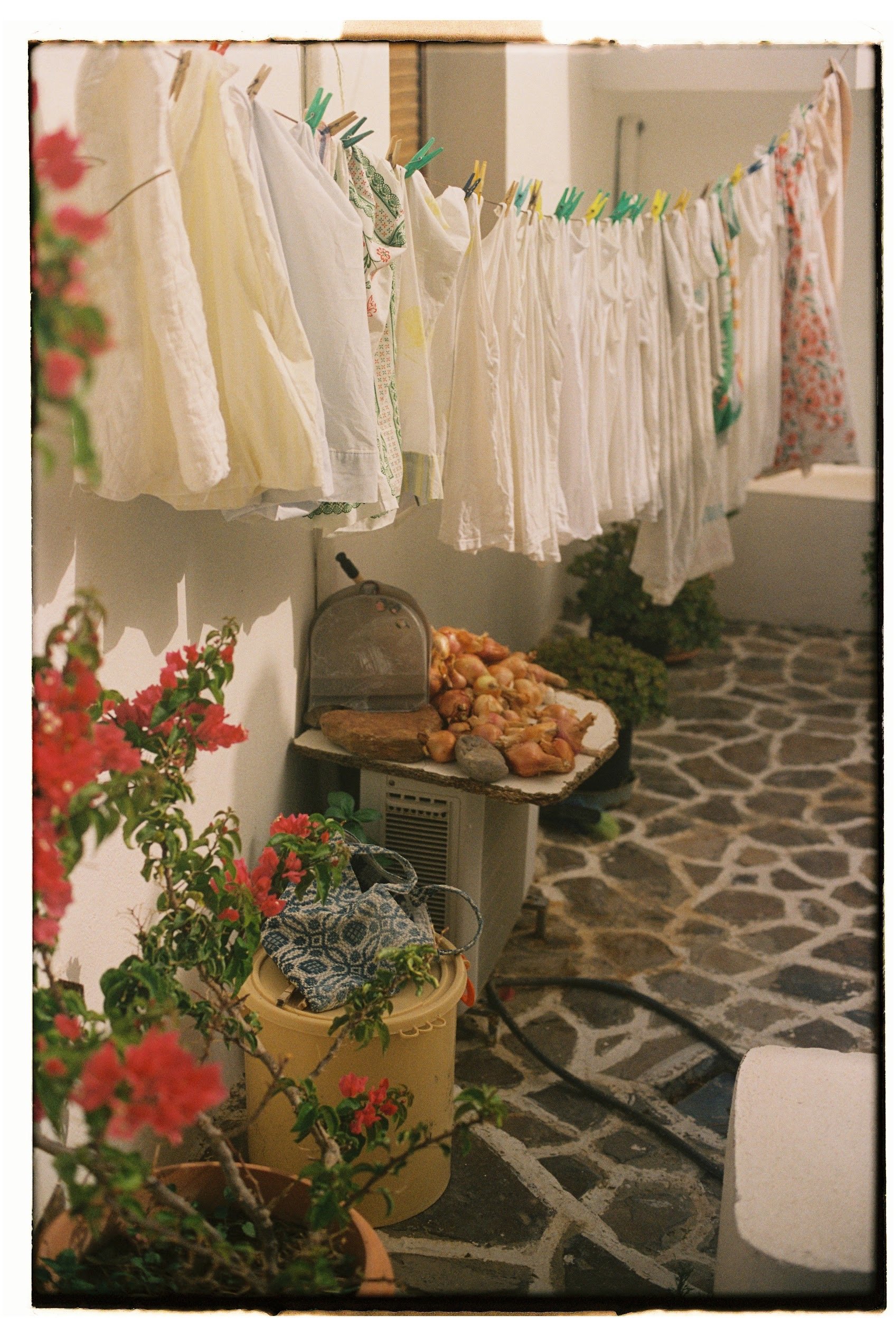
What Does High Frequency Mean
In vibrational wellness language, “high frequency” refers to a material’s energetic resonance and how it interacts with the human body’s electrical field.
The idea is that everything has a frequency. The human body. The environments we live in. The things we touch. The clothes we wear.
In these frameworks, a high frequency fabric is believed to support clarity, lightness, and energetic flow. Not in a magical way, but in a subtle, nervous-system-level way (the kind you feel more than you think about).
These concepts come from energy medicine, biofield theory, and alternative wellness studies, not conventional physics. That distinction matters.
Does Higher Frequency Mean Higher Energy
In holistic contexts, higher frequency is often associated with vitality, ease, and positive energy.
The belief is that fabrics with frequencies closer to or above the human body’s natural field may support comfort and regulation. This does not mean wearing linen will solve your problems. But it might explain why certain fabrics feel breathable, expansive, or calming when worn close to the skin.
I noticed this most during postpartum seasons, when my nervous system was already stretched thin. Anything that helped my body feel less constricted mattered more than I expected.
Do Fabrics Have Frequencies
From a traditional scientific standpoint, fabrics are evaluated for durability, breathability, moisture resistance, and performance. Frequency is not a standard measurement.
The frequency of fabric discussion comes primarily from wellness literature and energy healing communities. Figures referenced in these spaces should be understood as part of a holistic belief system, not empirical textile science.
This is about exploration, not absolutes.
What Fabrics Have The Highest Frequency
According to holistic wellness sources, fabrics often described as high vibrational include:
Linen
Wool
Hemp
Silk
Organic cotton
These are all natural fibers, minimally processed, and often connected to sustainable or ag environ practices. Names like Heidi Yellen frequently appear in discussions around frequency of fabric and natural textiles.
You’ll also see combinations like wool and linen mentioned, especially in energy healing contexts.
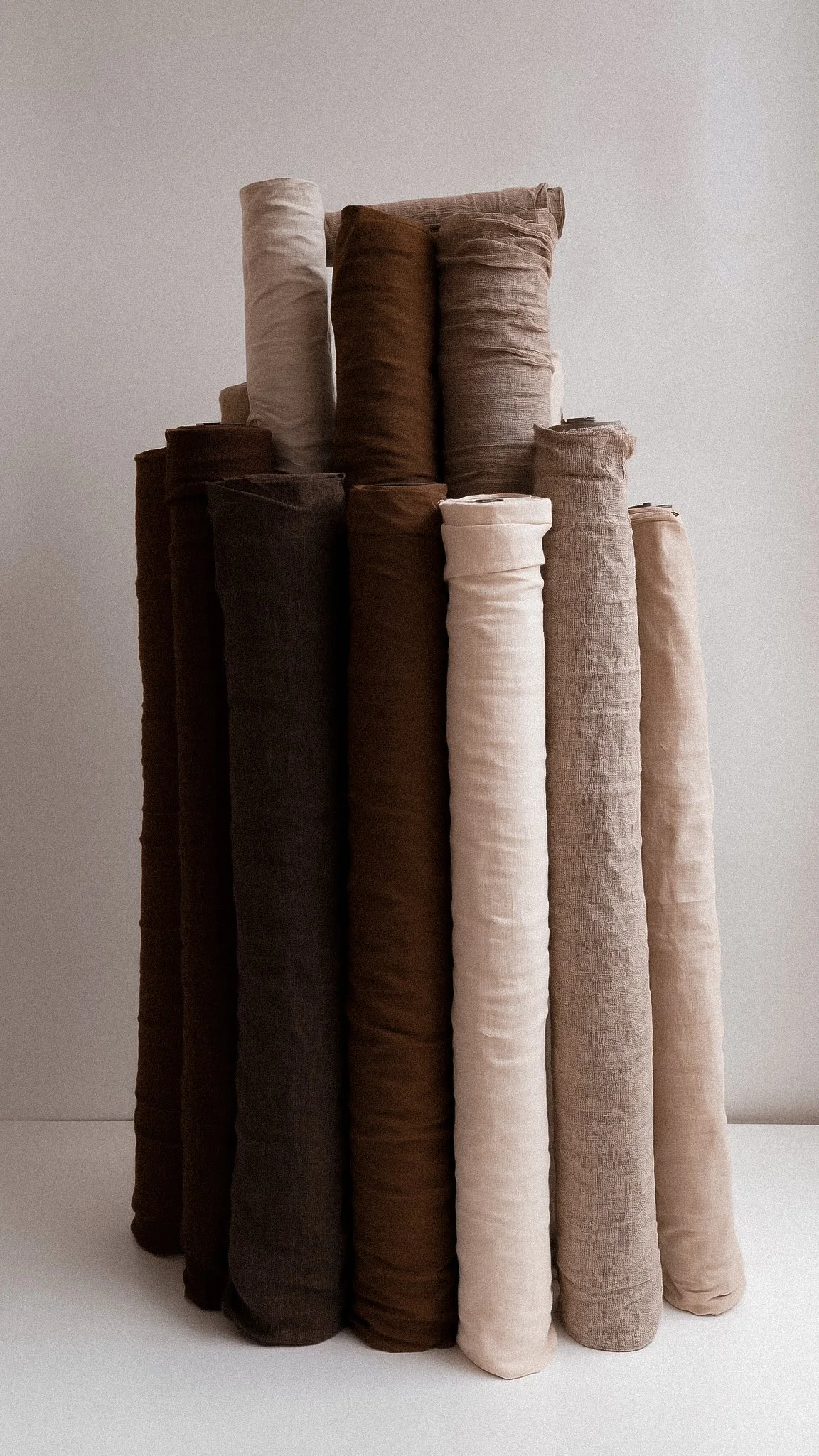
What Is The Frequency Of Linen Fabric
In holistic frameworks, linen is often cited as having a frequency significantly higher than the human body.
This is one reason linen is considered uniquely supportive. It comes from flax, a plant that grows with minimal chemical intervention and retains much of its natural structure through processing.
Energetically speaking, linen is often described as high frequency and high vibrational. And anecdotally, many people report feeling lighter, cooler, and more regulated when wearing it.
I can say this personally. Linen is what I reach for when I want to feel open, not restricted (especially in warmer months or emotionally heavy weeks).
What Is The Frequency Of Cotton Fabrics
Cotton, especially organic cotton, is often described as having a frequency closer to that of the human body.
In holistic language, this suggests grounding rather than energizing effects. Cotton meets you where you are. It does not lift you up, but it supports you.
This makes sense to me. Cotton feels familiar. Safe. Like something your nervous system already understands (which is probably why we love it for sleep, underlayers, and everyday wear).

Can You Mix Linen And Cotton Frequency
Yes, and most of us already do.
When linen and cotton are worn together, their combined frequency is often described as landing somewhere between their individual ranges. Linen elevates. Cotton grounds.
In real life, this looks like balance.
Does Cotton Cancel Out Linen Frequency
In holistic discussions, cotton does not typically cancel out linen’s frequency.
Neutralizing frequency to zero is more often associated with synthetic fabrics, or sometimes with wearing wool paired with linen, depending on the source. Linen and cotton together are generally seen as complementary rather than canceling.
Blending them may soften linen’s intensity, but it does not erase it.
How To Wear Cotton And Linen Together
Wear Linen as the Outer Layer
Linen dresses, pants, or tops allow airflow and movement, while cotton layers underneath add softness and comfort.
Use Cotton for Grounding Pieces
Cotton undergarments or tees support the body without overstimulation.
Avoid Heavy Synthetic Blends
If your goal is natural feel and breathability, minimize densely layered synthetic fabrics.
Think Holistically and Practically
Cotton’s grounding quality pairs beautifully with linen’s elevated resonance. Together, they support comfort, sustainability, and ease.
If you’re curious how small daily choices like this affect your overall state, I share more in how to improve your energy.

Final Thought
I don’t believe fabric frequency should become another thing to perfect.
For me, this conversation is about awareness. About listening to your body. About noticing what feels supportive instead of dismissing those cues.
Some days, linen feels expansive. Some days, cotton feels safer. And both are okay.
High frequency is not about doing more. It’s about choosing what helps you feel more at home in your body (especially in the middle of full, beautiful, demanding lives).
And sometimes, that choice starts with what you put on in the morning.
Live on Purpose, Live on Frequency,
Jaclyn Steele Thurmond